Former Director of "It Is Written" television program. A noted worldwide evangelist, he is also the former Director of Evangelism at the General Conference of SDA. He is currently serving in an advisory capacity for the General Conference President.
OVERVIEW
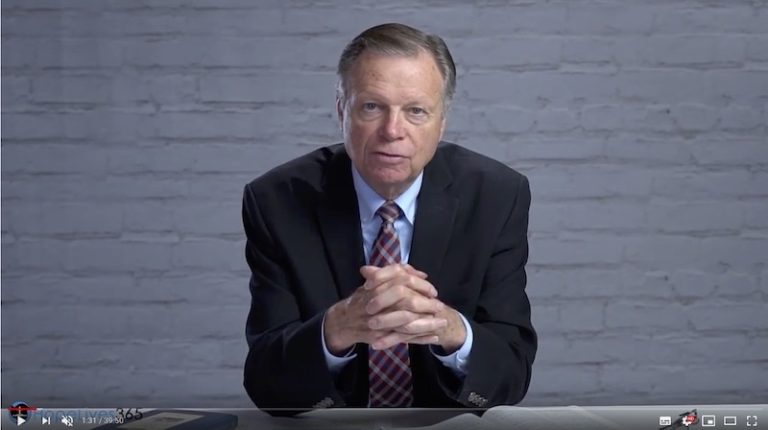
This sermon reveals how modern neuroscience affirms the biblical call to renew the mind, showing that Scripture, prayer, and service can literally reshape the brain through neuroplasticity. Blending faith and science, it offers a hopeful, practical path to lasting mental and spiritual transformation grounded in God’s promises.
Former Director of "It Is Written" television program. A noted worldwide evangelist, he is also the former Director of Evangelism at the General Conference of SDA. He is currently serving in an advisory capacity for the General Conference President.
SERIES INFO
KEY INSIGHTS
💡 Neuroplasticity Validates Spiritual Renewal: Modern brain science confirms the biblical concept of mental transformation as brain cells regenerate and neural pathways rewire through repeated focus on spiritual truths. This bridges faith and science, showing that spiritual disciplines have tangible effects on the brain’s structure and function. The implication is that renewing the mind is a practical, physiological process rather than a mere metaphor.
💡 Scriptural Meditation as Cognitive Training: Repeated engagement with Scripture acts like cognitive training, creating grooves in the brain that promote positive, godly thinking naturally. This explains why persistent Bible study and prayer can gradually replace negative thought patterns—such as anxiety, fear, or guilt—with peaceful and hopeful mental states. It underscores the importance of disciplined spiritual practice for mental health.
💡 Contemplation of God’s Character as Emotional Regulation: Focusing on God’s love, wisdom, and power triggers neurological changes that reduce anxiety and fear by flooding the mind with peace originating from faith. This is akin to mindfulness or positive psychology but rooted in theological truth, providing a framework for emotional resilience and mental stability through spiritual trust.
💡 Active Service Reinforces Mental Transformation: The circular relationship between thoughts and actions means that serving others reinforces positive neural pathways and emotional wellbeing. This challenges older linear psychological models and highlights the integration of behavior with cognition in spiritual growth. Practicing selfless acts is not only morally commendable but neurologically beneficial for sustaining a renewed mind.
💡 Transformation Is a Process, Not Instantaneous: Renewing the mind takes time and persistent effort, analogous to physical exercise building muscle or repetitive practice reshaping the brain. This patience and perseverance in spiritual disciplines reflect immutable laws of the mind, emphasizing that mental renewal is gradual and cumulative. Instant change is not the norm; rather, consistent engagement with God’s Word and character is key.
💡 Replacing Negative Thoughts with Positive Ones: The biblical instruction “overcome evil with good” (Romans 12:21) aligns with cognitive-behavioral principles that suggest replacing harmful thought patterns with constructive ones is more effective than mere suppression. This affirms the practical wisdom embedded in Scripture, showing that transformation involves intentional mental refocusing and cognitive replacement.
💡 The Sevenfold Good News as a Blueprint for Holistic Renewal: The seven aspects of God’s love—new covenant, new nature, new creation, new life, new name, new song, and new heaven and earth—form a comprehensive framework representing both present and future dimensions of spiritual and mental renewal. This holistic view integrates identity, experience, hope, and ultimate destiny, encouraging believers to embrace ongoing transformation anchored in God’s promises.
DATE ADDED: March 18, 2026TOPICS:
WitnessingSKU: MF-178L



 0
0
